Maintaining lifelong oral health and supporting proper physical development requires continuous attention at every stage of life. From the moment a infant’s first primary tooth erupts to the complex dental and aesthetic needs of adulthood, family health is an interconnected journey. Establishing strong hygiene habits early on prevents pain and costly interventions, while laying a structural foundation for clear speech, balanced facial growth, and confident self-expression.
As children grow, their dental care needs shift rapidly alongside their broader developmental milestones. Meanwhile, adult family members face distinct oral health challenges, ranging from routine preventive care and structural tooth restoration to aesthetic enhancements and jaw joint comfort. Managing these diverse requirements across multiple generations can feel overwhelming without a clear roadmap.
This guide provides an in-depth, practical framework for organizing your family’s oral care and developmental health. By understanding how early habits, professional care, and modern clinical treatments work together, you can protect your family’s smiles for decades to come.
Establishing a Foundation for Early Childhood Oral Health
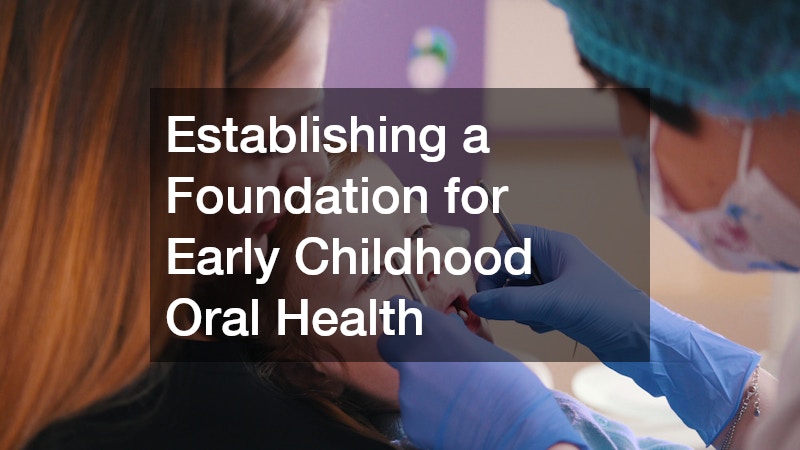
The groundwork for a lifetime of healthy teeth begins long before permanent teeth appear. Primary teeth, often called baby teeth, serve as critical space maintainers for permanent dentition, guide jaw alignment, and enable proper chewing and early speech development. Treating primary teeth with the same diligence as adult teeth prevents early childhood caries and sets up positive dental attitudes for life.
Preparing for Your Child’s First Dental Visit
Early exposure to professional clinical environments eliminates fear and normalizes oral hygiene. The ideal window for a child’s inaugural dental visit is by their first birthday or within six months of the eruption of their very first tooth.
Stepping into a specialized pediatric dentist office offers young patients a child-friendly environment filled with cheerful decor, smaller specialized instruments, and staff trained specifically in pediatric behavioral guidance to ensure a calm, positive experience.
Preventive Care and Habit Formation in Early Childhood
Developing daily brushing and flossing routines early prevents harmful oral bacteria from eroding delicate primary tooth enamel.
-
Gently wipe an infant’s gums with a soft, clean, damp washcloth after feedings to remove lingering milk sugars and bacteria before teeth erupt.
-
Transition your child from bottles and training sippy cups to open cups by their first birthday to minimize prolonged liquid contact with front teeth.
-
Use a smear of fluoridated toothpaste the size of a grain of rice as soon as the first tooth appears, increasing to a pea-sized amount once the child reaches age three and can spit reliably.
-
Inspect your child’s teeth monthly under bright light, checking along the gumline for chalky white spots or dull brown discolorations that indicate early enamel breakdown.
-
Establish a non-negotiable routine of brushing twice daily for two minutes, supervising and assisting with manual dexterity until around age eight.
Utilizing comprehensive pediatric dentist services such as professional fluoride varnish applications and thin protective dental sealants applied to deep molar grooves shields young teeth from decay during their most vulnerable developmental years.
Coordinating Oral Care with Pediatric Milestones and Learning
Childhood growth is an intricate process where general physical health, oral cavity development, and cognitive milestones continually influence one another. Proper jaw development and healthy oral tissues support crucial nutritional intake, clear speech articulation, and social confidence.
Integrating Dental Health into General Medical Care
Systemic health and oral health are deeply linked. Issues originating in the mouth can affect systemic well-being, just as general health conditions often show early warning signs within the oral cavity.
-
Share complete medical histories, including food allergies, ongoing medications, and chronic conditions, with your dental team to ensure safe treatment planning.
-
Monitor your child’s resting breathing patterns; chronic mouth-breathing during sleep or daytime play can alter facial bone structure, narrow the upper arch, and increase decay risk through dry mouth.
-
Track the natural sequence of primary tooth shedding and permanent tooth eruption, notifying clinicians if teeth are lost prematurely due to injury or decay.
-
Address persistent lip-tie or tongue-tie issues early, as restricted tissue bands can hinder infant nursing, alter palatal expansion, and impair clear speech articulation.
-
Consult healthcare providers promptly if your child exhibits recurring jaw joint popping, facial asymmetry, or unexplained head and neck soreness.
Your family pediatrician works in close coordination with oral health experts, monitoring developmental growth curves, skeletal progress, and nutritional processing alongside dental professionals to ensure total child wellness.
Managing Hygiene Routines in Early Educational Settings
As children enter group learning environments, their social interactions, eating patterns, and daily schedules undergo significant shifts.
-
Pack balanced school lunches containing calcium-rich foods like cheese sticks and yogurt, alongside crisp vegetables that stimulate saliva production to naturally cleanse tooth surfaces.
-
Limit sugar-sweetened beverages, fruit juices, and sticky fruit snacks in school bags, encouraging water as the primary beverage throughout the school day.
-
Encourage your child to rinse their mouth thoroughly with clean water after eating lunch or daytime snacks when brushing on-site is impractical.
-
Teach proper hand hygiene practices to reduce the spread of viral and bacterial infections that can manifest as painful oral sores or inflamed gums.
-
Model positive self-care habits at home so your child takes pride in maintaining their personal health independently among their peers.
Monitoring overall childrens development includes observing how physical growth, cognitive learning, and oral health habits converge to build self-esteem, clear communication skills, and social comfort during early childhood.
Supporting Healthy Habits in Early Childhood Classrooms

When children transition to spending long hours away from home, maintaining consistent health routines requires cooperation between parents and educational staff. Daytime habits formed during these early learning years heavily influence lifetime health choices.
Building Tooth-Friendly Routines Outside the Home
Creating an environment that supports good oral choices outside the home requires clear communication and thoughtful preparation.
-
Send a clearly labeled, reusable water bottle to school every day to ensure continuous hydration and encourage water consumption over sugary options.
-
Discuss classroom snack policies with teachers, advocating for fresh fruits, raw vegetables, and whole grains during group snack times rather than processed baked goods.
-
Teach children not to share water bottles, eating utensils, or pacifiers with classmates to avoid cross-contaminating oral bacteria linked to cavity formation.
-
Provide easy-to-manage travel hygiene kits containing a soft toothbrush and cover for full-day programs that accommodate post-lunch brushing.
-
Educate your child on making smart choices at school events or birthday celebrations where sugary treats are frequently served.
Collaborating with educators and administrators at local preschools ensures that tooth-friendly hydration choices, healthy snack guidelines, and physical safety standards are reinforced consistently during school hours.
Protecting Primary Teeth During Play and Group Activities
Active play is essential for motor skill development, but physical activities bring the risk of accidental dental trauma from falls or collisions.
-
Inspect outdoor play structures at home and school to ensure ground surfaces feature shock-absorbing materials like deep wood mulch, rubber matting, or sand.
-
Teach children safety rules regarding physical boundaries, such as not pushing around hard play equipment or walking close to moving swings.
-
Encourage the use of custom-fitted athletic mouthguards during organized youth sports or high-impact recreational activities like biking, scootering, and gymnastics.
-
Learn emergency protocol for displaced or knocked-out teeth: keep calm, find the tooth, handle it strictly by the crown, rinse gently with milk if dirty, and seek immediate clinical care.
-
Keep your family’s dental emergency contact numbers stored conveniently on your mobile phone for fast access during unexpected playground accidents.
Elevating Adult Smile Aesthetics and Functional Restorations
As adults age, maintaining a vibrant, healthy, and functional smile requires shifting focus toward preserving enamel, managing bite forces, restoring worn teeth, and enhancing natural aesthetic features. Modern dentistry offers powerful tools to restore confidence and functionality simultaneously.
Enhancing Smile Aesthetics through Modern Cosmetic Procedures
A healthy smile significantly impacts personal and professional interactions. Cosmetic enhancements range from conservative surface brightening to comprehensive full-mouth aesthetic design.
-
Schedule a comprehensive aesthetic evaluation to discuss specific visual concerns such as persistent enamel staining, uneven tooth lengths, chipped edges, or gaps.
-
Review digital imaging simulations and physical wax-ups prior to starting cosmetic procedures to ensure final results match your expectations perfectly.
-
Select conservative cosmetic options whenever possible, such as direct composite bonding or professional-grade whitening, to preserve healthy natural enamel.
-
Maintain excellent underlying periodontal health before undergoing aesthetic procedures; healthy pink gums provide the essential foundation for beautiful teeth.
-
Use non-abrasive toothpastes and soft-bristled brushes following cosmetic restorations to avoid scratching polished porcelain or composite surfaces.
Consulting a specialized cosmetic dentist office allows adults to explore advanced options like custom porcelain veneers, clear aligner therapy, and precision shade-matched crowns designed to transform smile aesthetics seamlessly.
Utilizing Therapeutic Solutions for Jaw Discomfort and Aesthetic Enhancement
Oral health extends beyond the teeth and gums to include the temporomandibular joints (TMJ) and surrounding facial muscles that control chewing, swallowing, and facial expressions.
-
Watch for signs of nighttime teeth grinding, such as waking up with dull tension headaches, sore jaw muscles, or flattened, worn tooth edges.
-
Practice stress-reduction techniques and daytime posture awareness to prevent unconscious jaw clenching during stressful periods.
-
Wear custom-fabricated nightguards consistently to cushion teeth against extreme grinding pressures and protect existing dental work from fracture.
-
Apply warm compresses gently to tight masseter and temporal muscles during acute flare-ups to encourage muscle relaxation and increase local circulation.
-
Maintain regular sleep schedules and ergonomic desk setups to reduce upper body tension that contributes to jaw pain.
Certified clinical providers can administer therapeutic botox treatments directly into overactive jaw muscles to alleviate persistent TMJ pain, reduce bruxism force, and relieve chronic tension while subtly softening facial expression lines.
Restoring Long-Term Functionality for Complex Adult Dental Needs
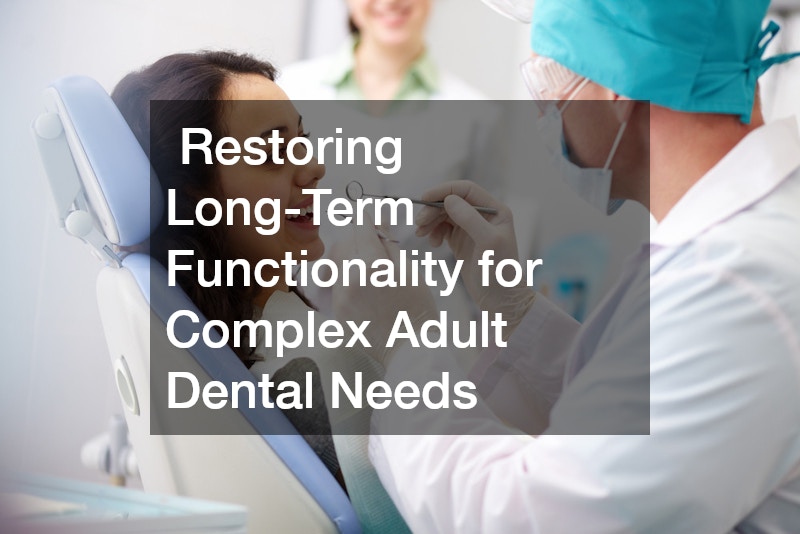
Tooth loss or severe structural breakdown can significantly compromise chewing efficiency, alter speech clarity, and cause neighboring teeth to shift out of alignment. Restoring missing teeth promptly protects remaining structures and preserves long-term facial shape.
Replacing Missing Teeth with Modern Permanent Solutions
Leaving gaps in the dental arch leads to bone loss, facial collapsing, and uneven wear on remaining natural teeth. Modern restorative options offer lifelike, durable replacements.
-
Address missing teeth promptly following an extraction to prevent adjacent teeth from tilting into empty spaces and disrupting your bite alignment.
-
Maintain strong, healthy jawbone density through balanced nutrition rich in calcium, vitamin D, and regular physical weight-bearing exercise.
-
Practice immaculate oral hygiene around single-tooth and multi-tooth restorations, using specialized interdental brushes and water flossers to clean hard-to-reach areas.
-
Avoid chewing exceptionally hard objects such as ice cubes, hard candies, or unpopped popcorn kernels that can chip natural enamel and artificial prosthetics alike.
-
Schedule routine maintenance evaluations to verify that artificial teeth remain securely anchored, balanced, and free from surrounding tissue inflammation.
Choosing local dental implants provides a permanent, fixed replacement option that mimics natural tooth roots, stimulates bone tissue to prevent atrophy, and restores complete chewing capability without altering adjacent healthy teeth.
Finding a Multi-Specialty Dental Home for the Whole Family
Managing different appointments across various locations can create logistical challenges for busy households. Finding a comprehensive practice streamlines care for every family member.
-
Look for multi-doctor facilities that offer flexible, block-scheduling options, allowing adults and children to receive preventive care on the same day.
-
Ensure the facility utilizes advanced diagnostic tools such as low-radiation digital X-rays, 3D cone-beam computed tomography (CBCT), and intraoral digital scanners.
-
Confirm that the practice provides comprehensive emergency coverage, offering prompt after-hours guidance or same-day appointments for acute dental pain or trauma.
-
Evaluate the office environment for cleanliness, friendly administrative communication, transparent financial policies, and clear patient education practices.
-
Choose a location that is convenient to your home, work, or children’s schools to make routine preventative visits easy to maintain.
Establishing a relationship with an all-inclusive dental office provides your family with a trusted medical home capable of handling routine hygiene cleanings, complex surgical care, and specialized restorative treatments in one familiar location.
Building a Lifetime Practice of Whole-Family Wellness
Achieving lifelong oral health requires translating clinical guidance into simple, repeatable daily habits at home. When families prioritize self-care together, healthy choices become second nature for children as they grow into adulthood.
Streamlining Preventative Care Across All Generations
Consistency is the single most important factor in preventing oral disease and tracking long-term growth patterns effectively. Partnering with compassionate, highly skilled dentists ensures that every member of your family receives personalized clinical care, clear home-care instructions, and continuous support tailored to their specific life stage.
Financial Planning and Preventative Budgeting for Family Care
Managing healthcare expenses effectively allows families to access necessary preventive and restorative treatments without unexpected financial strain. Taking a comprehensive, proactive approach to oral health unites medical oversight, daily preventative hygiene, specialized clinical interventions, and smart financial planning. By caring for your family’s teeth from early childhood through adulthood, you protect their overall physical health, foster genuine self-confidence, and ensure bright, healthy smiles for a lifetime.